
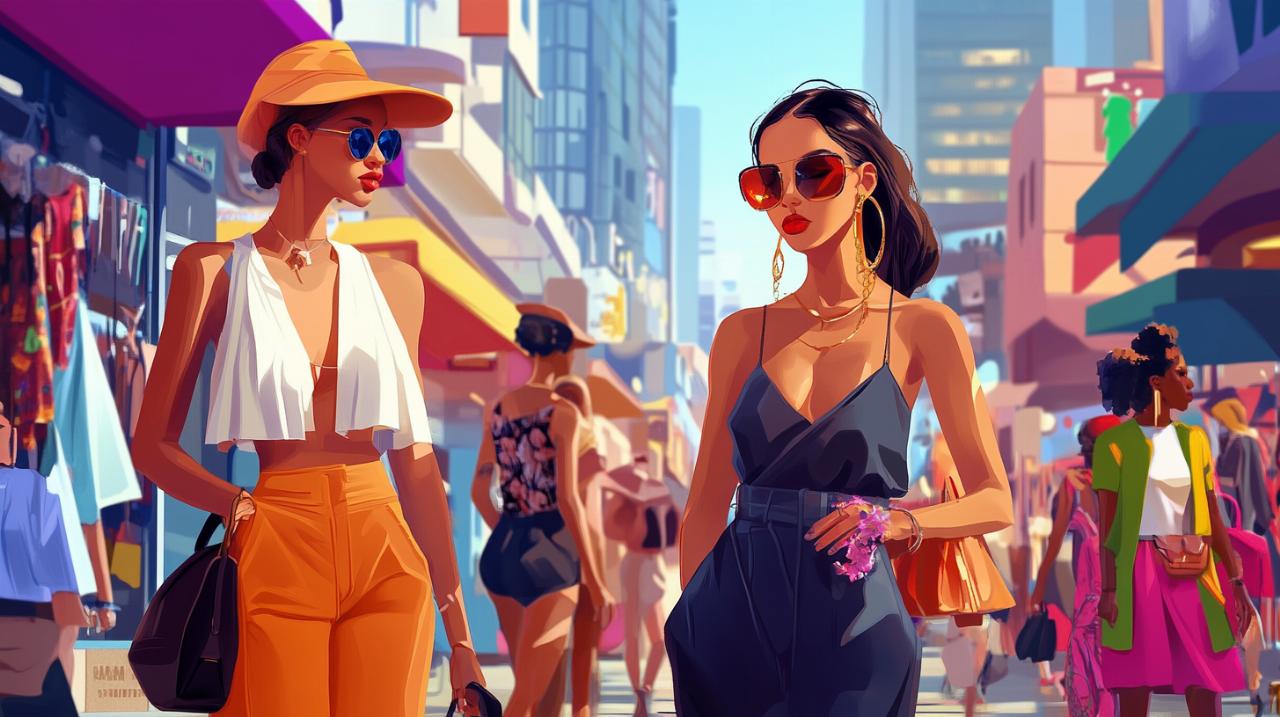
Fashion and culture exist in a constant dance, each influencing and shaping the other in profound ways. From the traditional garments that once defined entire communities to the contemporary styles that blur geographical boundaries, clothing serves as a powerful language through which societies communicate their values, beliefs, and aspirations. Understanding this intricate relationship allows us to appreciate fashion not merely as superficial adornment but as a vital thread in the fabric of human expression and identity.
The symbiotic relationship between fashion and cultural identity
Fashion functions as a living archive of cultural identity, weaving together threads of nationality, ethnicity, religion, and language into tangible forms that people wear daily. Throughout history, traditional garments have served as emblems of belonging and pride, each stitch and pattern carrying stories passed down through generations. The Japanese kimono, for instance, symbolises good fortune and tradition, with its variations reflecting the wearer's age and social rank. Similarly, the Scottish kilt represents Gaelic tradition, Scottish pride, and masculinity, whilst the Indian saree signifies elegance and cultural heritage across South Asian countries. The West African Agbada, worn by Yoruba men, conveys masculinity and wealth through its flowing fabric and elaborate design. These garments transcend mere clothing; they embody the essence of their respective cultures and connect wearers to their ancestral roots.
Fashion as a Mirror of Society's Values and Beliefs
When we examine fashion through a cultural studies approach, we recognise it as a form of culture imbued with historical and political context. Carol Tulloch's influential theory distinguishes between style, fashion, and dress in illuminating ways. Style represents how individuals use clothes to express themselves, fashion encompasses the social processes that signal change, and dress refers to the garments themselves. This framework helps us understand that fashion contributes to cultures by sharing ideas about values and assumptions, sometimes reinforcing them and at other times challenging established norms. isodirect offers helpful tips for fashion enthusiasts seeking to navigate this complex landscape, recognising that what we wear speaks volumes about who we are and what we stand for. Wilson Oryema highlights the inherent tension between the benefits fashion provides and the harm it can cause, particularly when cultural representation slides into appropriation. Fashion narratives possess the power to reshape fashion cultures, transforming them from exclusionary spaces into inclusive environments that celebrate diversity rather than exploit it.
Personal expression through sartorial choices
Fashion serves as a canvas for individuality, allowing people to display their unique perspectives whilst honouring their cultural backgrounds. The interplay between cultural identity and personal style has become increasingly nuanced in our globalised world. Many individuals now wear cultural garments alongside contemporary fashion, creating hybrid expressions that honour tradition whilst embracing modernity. The hijab, representing modesty in Islamic culture, is frequently styled with modern clothing, demonstrating how traditional values can coexist with current trends. Japanese tabi shoes, originally designed to promote good posture and balance, have emerged as a contemporary fashion trend, appreciated both for their practical benefits and distinctive aesthetic. These examples illustrate how fashion allows for the expression of cultural beliefs whilst challenging social norms that might otherwise constrain personal freedom. Smaller designers have proven particularly adept at incorporating culture authentically, avoiding the pitfalls that larger brands sometimes stumble into. Supporting these smaller designers promotes inclusivity in fashion and ensures that cultural heritage receives the respect and recognition it deserves.
Tracking cultural shifts through fashion evolution

Fashion's constant evolution provides a fascinating window into broader cultural transformations. As societies change, so too do the garments they favour, the silhouettes they embrace, and the messages they convey through cloth and thread. Globalisation has accelerated this process, enabling cross-cultural influences to flow more freely than ever before. Whilst this exchange has enriched fashion with diverse perspectives and techniques, it has also raised important questions about cultural appropriation and the commodification of sacred traditions. The fashion industry has begun responding to these concerns, becoming more diverse and respectful of the cultures it draws inspiration from, though the journey towards genuine inclusivity remains ongoing.
Analysing contemporary styles and their cultural significance
Contemporary fashion increasingly embraces cultural identity and tradition as sources of inspiration and innovation. Designers like Issey Miyake have successfully blended Western style with East Asian heritage, creating collections that honour their roots whilst appealing to global audiences. The kimono's influence extends beyond traditional wear, inspiring beachwear trends that incorporate its elegant draping and graceful lines. Similarly, saree-inspired draping techniques have found their way into modern gowns, bringing the garment's characteristic elegance to new contexts. These cross-cultural influences demonstrate fashion's capacity to bridge divides and foster appreciation across communities. Fashion narratives built on genuine understanding and collaboration transform the industry, moving it away from extractive practices towards partnerships that benefit all involved. The design thinking process offers a valuable framework for this work, encouraging designers to empathise with communities, define problems accurately, ideate solutions collaboratively, and prototype thoughtfully before bringing designs to market.
Historical fashion trends as cultural indicators
Examining historical fashion trends reveals the values and preoccupations of past societies with remarkable clarity. Traditional garments that once served practical purposes have evolved into powerful symbols of cultural continuity and pride. The ways these garments have adapted over time reflect broader social changes, from shifts in gender roles to evolving attitudes towards religion and modesty. Fashion has historically shown cultural identity through distinctive regional styles, but globalisation has complicated this picture, introducing new possibilities for expression whilst raising concerns about homogenisation. The tension Wilson Oryema identifies between fashion's benefits and harms becomes particularly apparent when we trace these historical trajectories. Fashion can both represent and marginalise cultures, depending on who controls the narrative and how respectfully traditions are treated. By studying how fashion has evolved, we gain insights into humanity's ongoing negotiation between tradition and innovation, between collective identity and individual expression. This historical perspective enriches our understanding of contemporary fashion, reminding us that today's trends emerge from centuries of cultural exchange, adaptation, and reinvention.